
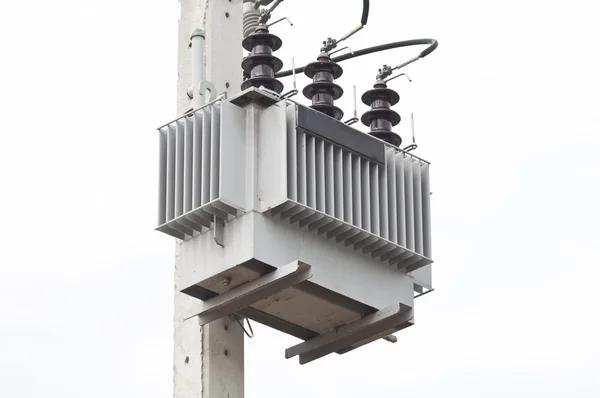
Transformer blast walls are crucial components in electrical substations, designed to protect personnel, equipment, and the environment from potential hazards associated with transformer failures. These structures are engineered to withstand explosive forces and mitigate the impact of blasts resulting from transformer malfunctions. The design standards and engineering best practices for these walls ensure they effectively serve their purpose while adhering to safety regulations.
The primary function of a transformer blast wall is to act as a barrier that absorbs and deflects the energy released during an explosion. To achieve this, engineers must consider several factors when designing these walls. One critical aspect is material selection. Blast walls are typically constructed from reinforced concrete due to its strength, durability, and ability to absorb shock waves. In some cases, steel reinforcements or composite materials may be used to enhance performance.
Design standards for Transformer Blast Walls vary by region but generally adhere to guidelines set forth by organizations such as the Institute of Electrical and Electronics Engineers (IEEE) or local regulatory bodies. These standards provide specifications on wall height, thickness, distance from transformers, and other parameters essential for effective protection. For instance, IEEE Standard 979 offers guidance on substation fire protection including recommendations for barriers like blast walls.
Engineering best practices involve a thorough risk assessment before design begins. This includes evaluating the likelihood of various failure scenarios based on historical data and operational conditions specific to each site. Once risks are identified, engineers can tailor designs accordingly—ensuring that wall dimensions align with potential threat levels while optimizing resource use.
Additionally, computational modeling plays a significant role in modern blast wall design processes.