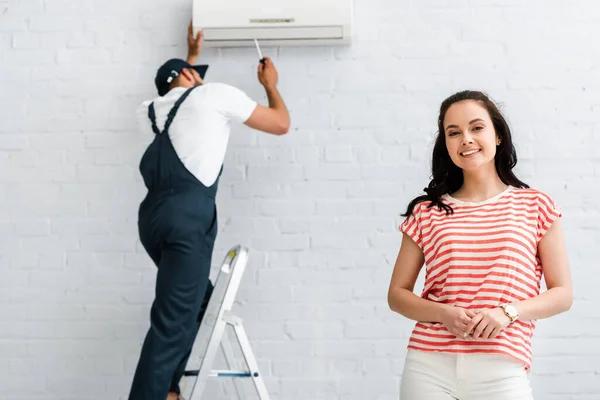
Experiencing warm air blowing from your air conditioner can be particularly frustrating, especially during the hot summer months in Tarzana. Understanding the potential causes and solutions to this common problem can help restore comfort to your home efficiently.
First, it’s essential to check the thermostat settings. Ensure that it is set to ‘cool’ mode and that the temperature is lower than the current room temperature. Sometimes, a simple adjustment of these settings can resolve the issue without further intervention.
If the thermostat settings are correct, but warm air persists, examine your air filter. A clogged or dirty filter can restrict airflow and cause your AC unit to work inefficiently, resulting in inadequate cooling performance. Regularly replacing or cleaning filters every few months not only improves airflow but also enhances indoor air quality.
Another factor contributing to warm air could be issues with refrigerant levels. Low refrigerant levels often indicate a leak in the system, which requires professional attention. Refrigerant leaks not only impair cooling effectiveness but also pose environmental hazards if left unaddressed. Contacting a licensed HVAC technician for inspection and repair is crucial if you suspect this is the issue.
The outdoor condenser unit should also be inspected for any obstructions such as debris visit website or vegetation surrounding it. These obstructions can impede heat exchange processes necessary for proper cooling function. Ensuring at least two feet of clearance around this unit allows it to operate optimally by effectively dissipating heat absorbed from indoors.
In some cases, electrical issues may lead to warm air output as well. Check circuit breakers related to your AC system; tripped breakers might cut power supply partially or entirely off from components critical for cooling operation like compressors or fans within both indoor and outdoor units alike.
For central systems equipped with ductwork throughout homes across Tarzana neighborhoods: leaky ducts might allow conditioned (cooled) air escape before reaching intended living spaces while simultaneously drawing warmer unconditioned attic/basement into circulation instead—negatively impacting overall efficiency ultimately leading towards uncomfortable conditions experienced firsthand by occupants therein!