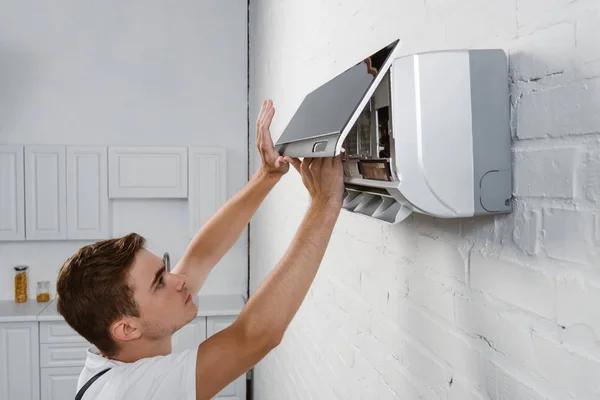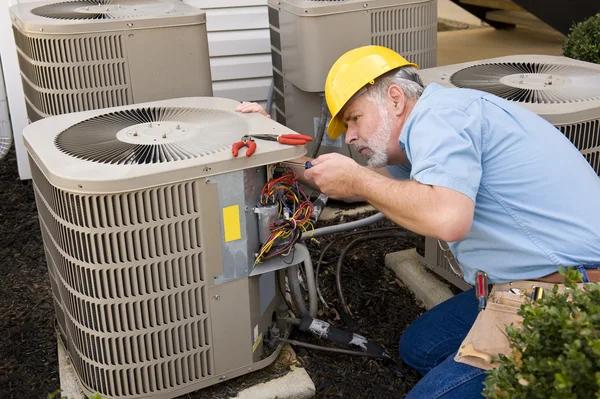

In the quest for optimal cooling efficiency, one often overlooked component is the refrigerant line set. These line sets are crucial for transporting refrigerant between the outdoor condenser and the indoor evaporator coil in air conditioning systems. Proper installation and maintenance of these lines can significantly enhance system performance, reduce energy consumption, and extend equipment life.
Refrigerant line sets consist typically of two copper pipes: a larger suction line that carries cool gas back to the compressor and a smaller liquid line that moves warm liquid refrigerant to the indoor unit. The correct sizing of these lines is paramount; undersized or oversized pipes can lead to inefficiencies, increased wear on components, or even system failure. Ensuring that these lines are properly insulated is also vital as it prevents energy loss, maintains temperature control within the system, and avoids condensation issues which could lead to corrosion or mold growth.
The installation process should be meticulous. Bends in the piping should be gentle to prevent kinks which could restrict flow. Additionally, proper brazing techniques must be employed during connections to ensure airtight seals without introducing contaminants into the system. Any leaks or blockages can severely impact efficiency by causing pressure imbalances and forcing compressors to work harder than necessary.
Regular maintenance checks are essential for sustaining peak performance levels of HVAC systems. Technicians should inspect refrigerant lines for signs of wear such as cracks or corrosion which may lead to leaks over time. They should also verify insulation integrity since degraded insulation can compromise thermal efficiency.
Moreover, modern advancements offer enhanced solutions such as pre-insulated HVAC line sets which simplify installation while providing superior protection against environmental factors. Utilizing high-quality materials resistant to UV rays and extreme temperatures ensures longevity and reliability in various climates.
Beyond physical attributes, selecting an appropriate type of refrigerant plays a significant role in determining overall cooling effectiveness. With changing regulations aimed at reducing environmental impact from traditional hydrofluorocarbons (HFCs), newer alternatives with lower global warming potential (GWP) are being adopted widely across industries worldwide.