
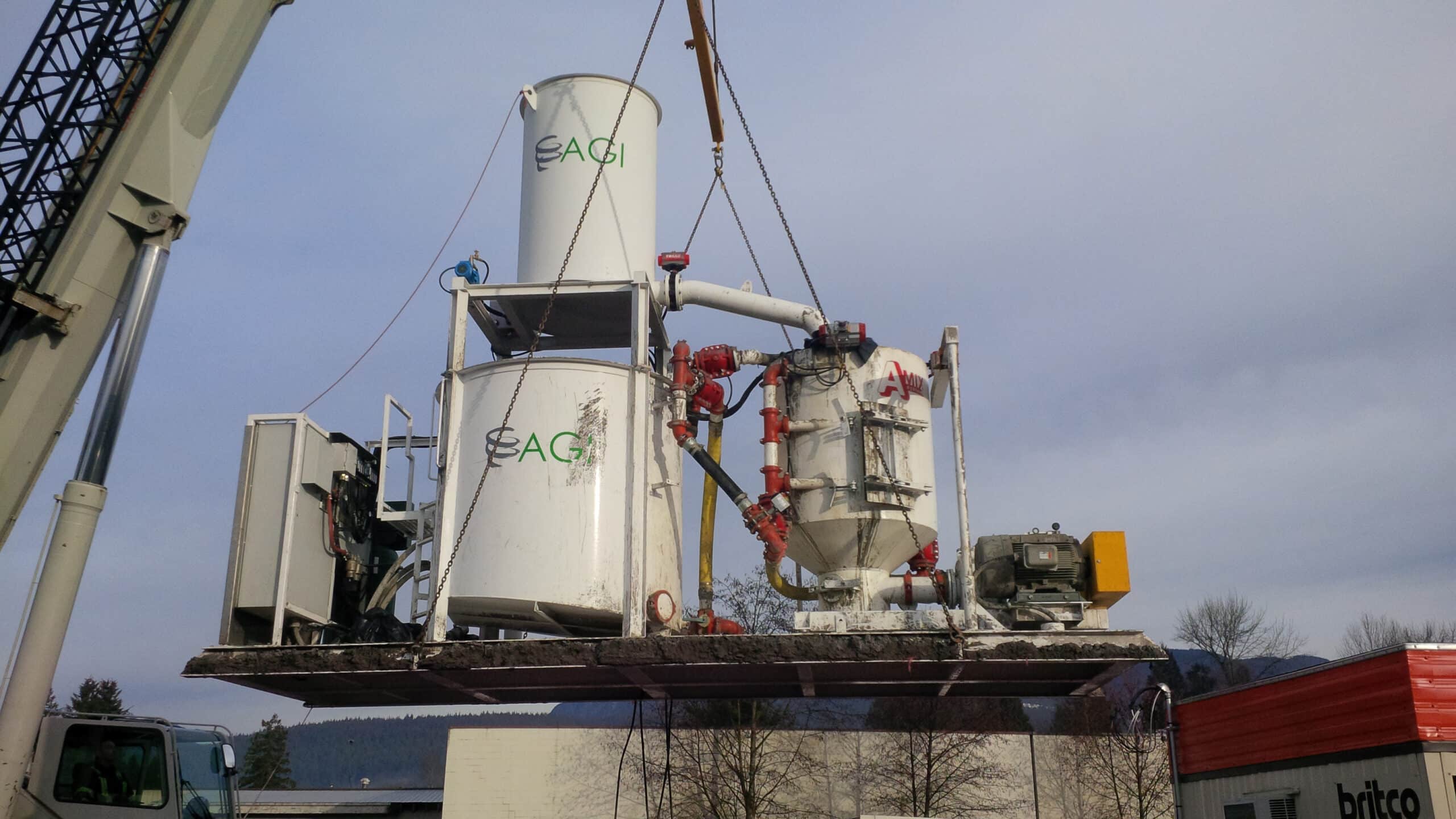
Bentonite cement grout is a specialized mixture widely used in geotechnical and civil engineering applications, particularly for soil stabilization, sealing, and ground improvement. Understanding the mix design of bentonite cement grout is essential to achieve optimal performance tailored to specific project requirements. This guide provides a clear explanation of the components involved, their proportions, and factors influencing the mix design.
At its core, bentonite cement grout consists of three primary ingredients: water, bentonite clay, and Portland cement. Each component plays a crucial role in determining the physical properties of the grout such as viscosity, setting time, strength, permeability, and durability. Bentonite clay is known for its excellent swelling properties when mixed with water; it forms a thixotropic gel that enhances suspension capabilities while reducing permeability. Cement contributes to strength development through hydration reactions that bind particles together over time. Water acts as the medium facilitating chemical reactions and providing workability.
The first step in designing a bentonite cement grout mix involves selecting an appropriate type of bentonite-usually sodium-based due to its superior swelling capacity compared to calcium-based varieties. The typical dosage ranges from 3% to 8% by weight relative to dry solids but can vary depending on soil conditions or required viscosity levels.
Next comes determining the correct water-to-solid ratio (W/S). This ratio significantly affects flow characteristics and pumpability; too much water results in weak grouts prone to segregation while too little water makes pumping difficult due to high viscosity. A common practice is maintaining W/S ratios between 1:1 and 2:1 by weight but adjustments are often required based on field trials.
Portland cement content generally varies between 5% and 15% by weight of dry materials depending on desired compressive strength and curing time constraints. Higher cement percentages increase early strength but reduce flexibility; thus balancing these factors according to project needs is vital.
Mixing procedures also influence final grout quality. Initially dispersing bentonite powder into clean water ensures proper hydration before adding cement gradually under continuous stirring prevents lump formation or premature setting issues.
Additional admixtures like retarders or plasticizers may be incorporated if extended working times or improved flow are necessary under challenging site conditions.
Once mixed correctly, testing parameters such as density (typically around 1.4-1.6 g/cm³), viscosity using Marsh funnel tests or rheometers, bleeding rate below 5%, set time within specified limits (usually several hours), compressive strength after curing periods (e.g., >0.5 MPa at seven days) help verify compliance with design criteria.
In conclusion, successful bentonite cement grout mix design hinges on understanding material properties combined with practical adjustments based on site-specific demands through iterative testing processes ensuring reliable performance during application phases like permeation grouting or cut-off wall construction projects.