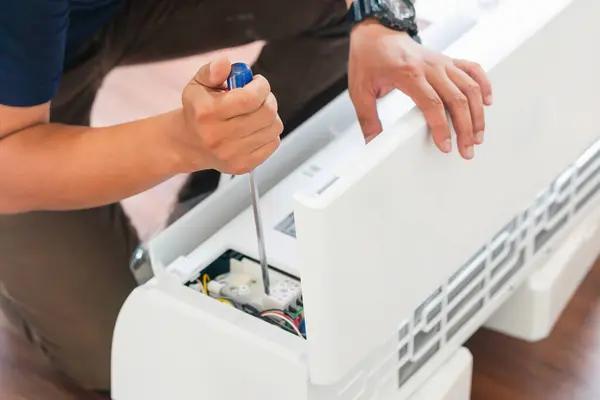
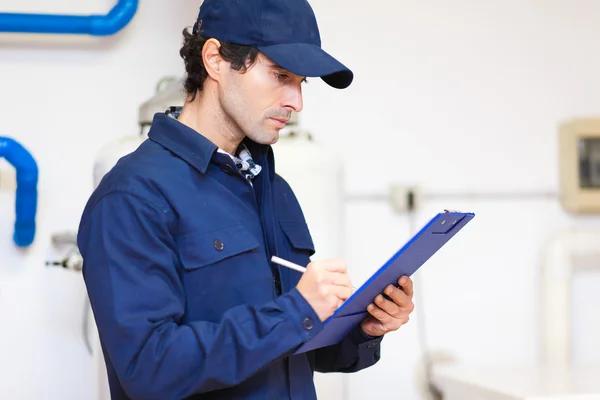
A home plumbing inspection is a crucial step in maintaining the overall health and safety of your residence. Understanding the essentials of this process can help homeowners identify potential issues before they become costly repairs. Plumbing systems consist of various components, including pipes, fixtures, drains, and water heaters, all working together to provide clean water and dispose of waste efficiently. During an inspection, a professional plumber examines these elements for signs of wear, damage, or improper installation.
One key area that requires attention is the condition of pipes throughout the house. Inspectors look for leaks, corrosion, or blockages that could lead to water damage or reduced water pressure. Copper and PVC are common materials used in residential plumbing; however, older homes might have galvanized steel pipes prone to rusting over time. Identifying deteriorating pipes early allows homeowners to plan replacements before serious problems arise.
The functionality of faucets and fixtures also plays an important role in a plumbing inspection. Leaky faucets not only waste water but may indicate underlying issues such as worn-out washers or faulty valves. Drainage systems receive careful scrutiny as well since slow-draining sinks or toilets suggest clogs or venting problems within the system’s network.
Water heaters are another critical component useful information examined during inspections because their efficiency directly affects comfort and utility bills. Professionals assess temperature settings along with signs of sediment buildup inside tanks that can reduce heating effectiveness and lifespan. Additionally, checking for leaks around the base helps prevent flooding incidents.
Sewer lines deserve particular focus due to their complexity beneath ground level where roots intrusion or pipe collapse can occur unnoticed until symptoms like foul odors emerge indoors. Advanced tools such as video cameras enable plumbers to inspect sewer lines without invasive digging by providing real-time images from inside pipelines.
Shut-off valves located near major appliances must be operational so that water supply can be quickly stopped during emergencies like burst pipes or appliance malfunctions. Ensuring these valves turn smoothly prevents delays when urgent repairs are necessary.
Proper ventilation within drain-waste-vent (DWV) systems ensures gases escape safely outside rather than entering living spaces where they pose health hazards. Inspectors verify vents remain unobstructed by debris or nests which could compromise air flow balance essential for drainage performance.
In summary, a thorough home plumbing inspection covers multiple aspects ranging from pipe integrity to fixture operation and system ventilation quality. Regular inspections conducted by qualified professionals safeguard against unexpected failures while promoting efficient use of resources throughout your household’s plumbing infrastructure. Being informed about what inspectors examine empowers homeowners to maintain functional systems proactively rather than reactively addressing emergencies after they happen.