When it comes to protecting a home from water damage, homeowners often face the dilemma of choosing between interior and exterior waterproofing methods. Both have their advantages and disadvantages, and the decision largely depends on specific circumstances such as budget, type of foundation, and extent of water intrusion. Understanding these options is crucial for making an informed choice.
Interior waterproofing focuses on managing water once it has entered the basement or crawl space. This method typically involves installing drainage systems like sump pumps or French drains to redirect water away from the foundation. Interior solutions are generally more affordable than exterior ones since they do not require excavation around contact the team home’s perimeter. They are also less disruptive to landscaping and can be installed relatively quickly. Additionally, interior waterproofing can be effective in addressing minor leaks or dampness caused by condensation.
Henrico waterproofing
However, one limitation of interior waterproofing is that it does not prevent water from entering; instead, it manages water after infiltration has occurred. This could potentially lead to long-term issues with mold growth if moisture levels are not adequately controlled. Moreover, while interior systems effectively manage groundwater seepage through walls or floors, they may not address structural weaknesses in the foundation itself.
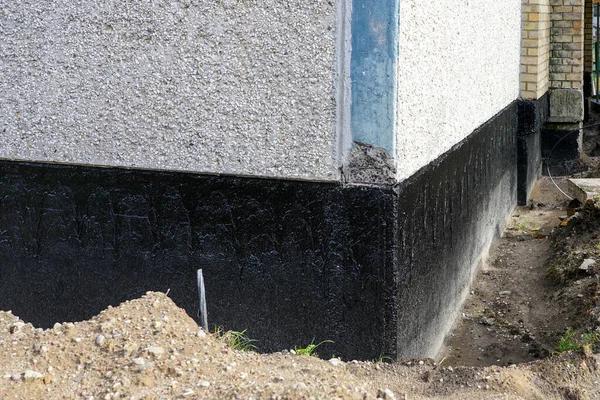
On the other hand, exterior waterproofing aims to stop water before it enters a building’s structure by creating a barrier around its perimeter. This approach often involves excavating around the foundation to apply sealants or membranes directly onto its surface. Exterior methods provide a comprehensive solution by addressing both hydrostatic pressure and potential cracks in the foundation walls.
The primary advantage of exterior waterproofing is its ability to protect against extensive flooding by preventing infiltration entirely rather than managing it post-entry like interior methods do. It also enhances structural integrity by safeguarding against erosion caused by persistent moisture exposure over time.
Capps Crawlspace and Construction
1953 River Rd Unit C, Henrico, NC 27842
252-308-2231